War Widow
-Chris Abani
The telephone never rings. Still
you pick it up, smile into the static,
the breath of those you've loved; long dead.
The leaf you pick from the fall
rises and dips away with every ridge.
Fingers stiff from time, you trace.
Staring off into a distance limned
by cataracts and other collected debris,
you have forgotten none of the long-ago joy
of an ice-cream truck and its summer song.
Between the paving stones;
between tea, a cup, and the sound
of you pouring;
between the time you woke that morning
and the time when the letter came,
a tired sorrow: like and old flagellant
able only to tease with a weak sting.
Riding the elevator all day,
floor after floor after floor,
each stop some small victory whittled
from the hard stone of death, you smile.
they used to write epics about moments like this.
Friday, May 9, 2014

Monday, May 5, 2014
Sidhartha chapters 7-12
during the last chapters of the book Sidhartha, he grows extremely. he grows from being a prideful young boy running away from his father to a wise ferryman. he forgets everything he once knew among the child people but then he learns it all plus more from the river. this is also where he meets his mentor. he learns how to listen to the world and be one with it. he learns the unity of all things, and how to be. he eventually reaches enlightenment. after a long life of many trials he truly learns the way of the world.
when Sidhartha is an older man he makes the same mistake his father made, but he makes and even worse mistake. when his son is given to him and is under his care, he gives him everything, just as his father had done for him, that is, except for freedom. when Sidhartha was a young boy he wanted to go off and learn on his own what the world was and what the world meant, but because his father loved him so much he was resistant to letting him go. his father did come to realize that it was best to let him go though. when Sidhartha has his son though, he can't let go, and the son has to run away to get away. he doesn't realize that he put his son in the same trap he was once in. it takes a long time and a painful journey for Sidhartha to realize this, and learn to love his son so much he's willing to let him go, because he never learned that lesson when he was a boy.
when Sidhartha is an older man he makes the same mistake his father made, but he makes and even worse mistake. when his son is given to him and is under his care, he gives him everything, just as his father had done for him, that is, except for freedom. when Sidhartha was a young boy he wanted to go off and learn on his own what the world was and what the world meant, but because his father loved him so much he was resistant to letting him go. his father did come to realize that it was best to let him go though. when Sidhartha has his son though, he can't let go, and the son has to run away to get away. he doesn't realize that he put his son in the same trap he was once in. it takes a long time and a painful journey for Sidhartha to realize this, and learn to love his son so much he's willing to let him go, because he never learned that lesson when he was a boy.
Sidhartha chapters 1-6
In the beginning of Sidhartha he joins the Samna's. During his time with the Samna's he learns great skills such as how to think, wait and fast, that become useful to him later in life, but he has a goal to loose himself in the world. This is a very interesting way to look at life. it seems as though he's trying to kill and rid of something that cant die and wont leave. He's trying so hard to rid of himself that he forgets that his self is another essential part of existence. He's trying to loose himself so much in the world that he forgets that he is a part of the world as well. eventually he realizes that this isn't where he's supposed to be and he leaves, having learned much but still not being fulfilled.
he does all of this with his good friend, Govinda, who sticks with him even though he can be prideful. they become Samna's together. He follows him, making them almost seem attached at the hip for the first part of the story. sadly they detach when they encounter the Buda, that Govinda wants to follow but Sidhartha does not. at this point they part form each other. Govinda was a loyal friend to Sidhartha during the book.
he does all of this with his good friend, Govinda, who sticks with him even though he can be prideful. they become Samna's together. He follows him, making them almost seem attached at the hip for the first part of the story. sadly they detach when they encounter the Buda, that Govinda wants to follow but Sidhartha does not. at this point they part form each other. Govinda was a loyal friend to Sidhartha during the book.
Friday, April 25, 2014
Siddhartha quotes
by, Daria Leonesio & Fernando Subia
'"I do not wish to walk upon water" Siddhartha replied. "let elderly Samanas content themselves with such tricks."' (Hesse 22)
'"I do not wish to walk upon water" Siddhartha replied. "let elderly Samanas content themselves with such tricks."' (Hesse 22)
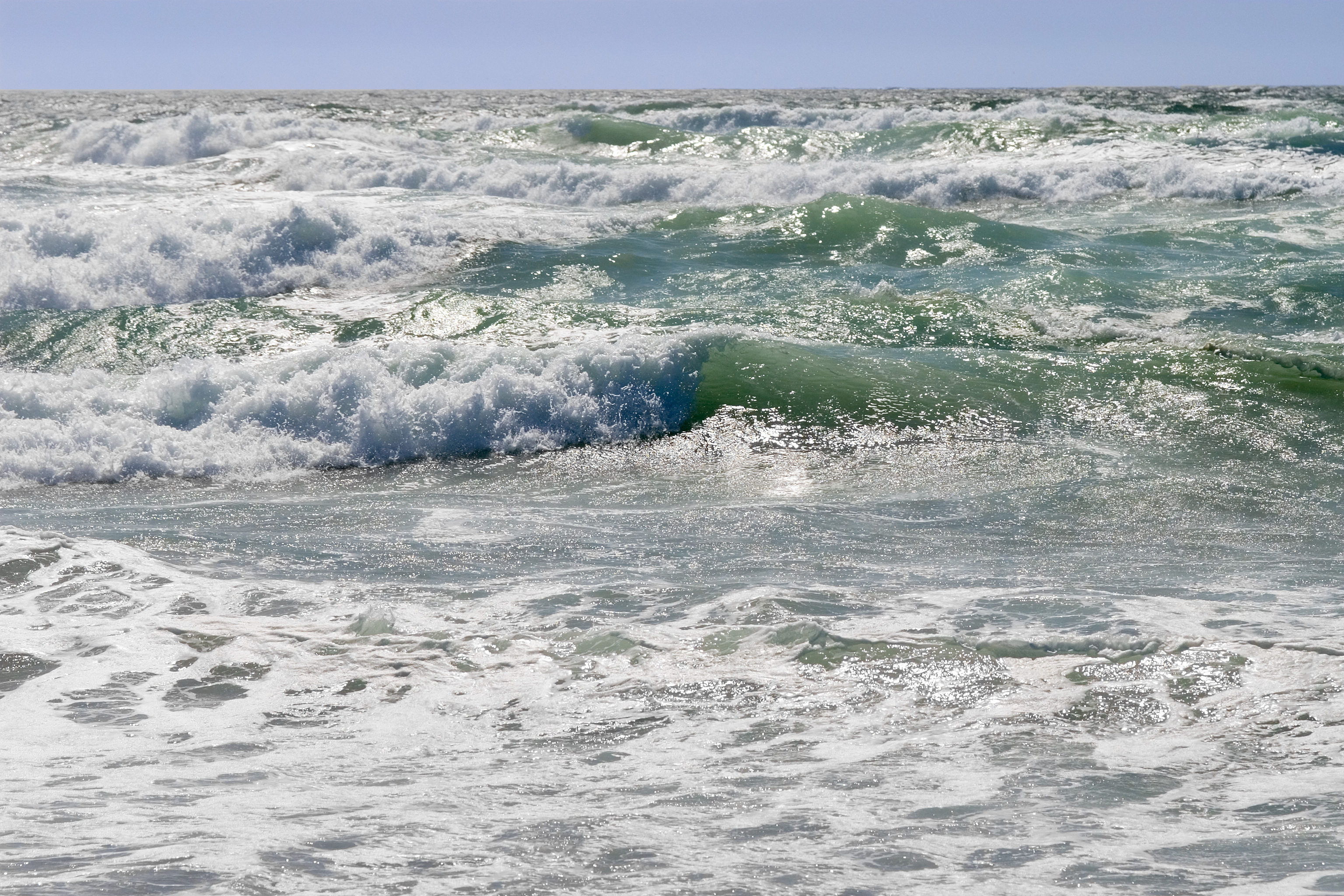
"...each drop heavy with hope, each drop heavy with doubt." (Hesse 19)

"But he has given me Sidhartha, given me myself" (Hesse 32)

"But I was unable to overcome it, i could only trick it, could only run away from it and hide"
(Hesse 34)
Thursday, April 3, 2014
metamorphosis reflection
Gregor, a man transformed
into a bug, was caring and selfless ‘till the end. He spent and sacrificed his
whole life to support and help his family, even when his family wasn’t good and
nice to him back. He worked away years of his life to pay off a debt that
wasn’t even his own. “Once I’ve got together the money to pay off my parents’
debt to him” (Kafka 1). The Debt isn’t even his own yet he is willing to pay it
off. Not only was he working to pay off his parents debt but also to simply
support them in things that weren’t even truly needs. “he felt a great pride
that he had been able to provide such a life for his parents and his sister in
such a beautiful apartment.” (Kafka 9). He has provided with a much larger and
nicer apartment than they needed. And he worked for this when the money could
have been going towards the debt. He works so his family can live in luxury,
while he is off spending all of his time working his life away. When Gregor was
first turned into a bug there wasn’t even the slightest hint of self-pity or
any worry for himself. He was simply worried about his family. “I am concerned
about my parents and my sister. I’m in a fix, but I’ll work myself out of it
again.”(Kafka 7). He’s willing to work himself away for his family. He’s only
worried about his position and how it will affect his family, not himself.
Gregor will completely away for the wellbeing of his family, eve if they aren’t
worth it.
Gregor’s family completely took him for granted as
a human and blamed him for their problems when he could no longer provide for
them, when they should be providing for themselves or at least appreciating the
work he does and not just simply expecting it. When Gregor didn’t get out of
bed the morning he was transformed, his mother was only concerned for him
missing the train, not whether or not he was ok. “‘Gregor,’ a voice called—it
was his mother—‘it’s quarter to seven. Don’t you want to be on your way?’”
(Kafka 2). His mother just see’s him as a thing to provide for them, not as a
son who can get sick and might need a little help and support. His parents had taken the money that Gregor
had worked for and stored it in savings. “rejoicing over this unanticipated
foresight and frugality. True, with this excess money, he could really have
paid off more of his father’s debt to his employer and the day on which he
could be rid of this position would have been a lot closer, but now things were
doubtless better the way his father had arranged them.”(Kafka 12) its good to
be frugal and save money away for emergencies, but they weren’t worried about
how Gregor might feel about that. They weren’t concerned about sucking his
years away from him. In the end even the sister no longer saw him as human.
“‘My dear parents,’ said the sister banging her hand on the table by way of an
introduction, ‘things cannot go on any longer in this way. Maybe if you don’t
understand that, well, I do. I will not utter my brother’s name in front of
this monster, and thus I say only that we must try to get rid of it. We have
tried what is humanly possible to take care of it and to be patient. I believe
that no one can criticize us in the slightest.’”(Kafka 23). When he turns into
a bug they forget that he is actually their family member. It’s hard to even
see that they ever saw him as a family member and simply as someone who worked
for their good. Gregor was taken advantage of by his own family who considered
him a burden as soon as he stopped providing them with what they were used to.
Monday, March 24, 2014
metamorphosis intro.
reading the first couple pages of the Metamorphosis has been really fascinating. Gregor's reaction to becoming a bug is quite fascinating. most people i know including myself would scream and call for help if turned into a bug, but Gregor's only thought and concern is getting to work, it seems to be that is the one thing he cares about. this reaction resembles the workaholic functionality of many people in this society. it resembles how bizar it is that people will waste their lives away and become a disgusting creature that no one wants to be around, and even through that care too much about work, and do nothing but.

Gregor then lies to his parents, sisters and manager saying he's perfectly ok when he really isn't and had been turned into a bug. the thought doesn't even cross his mind to mention his current state of species, simply trying to get up and out the door to catch the next train. this resembles many peoples attention to what is really important in life. because they are caught up in their work and redundant cycle they live in they miss everything else life has to offer, whether it be good or bad.

Tuesday, March 18, 2014
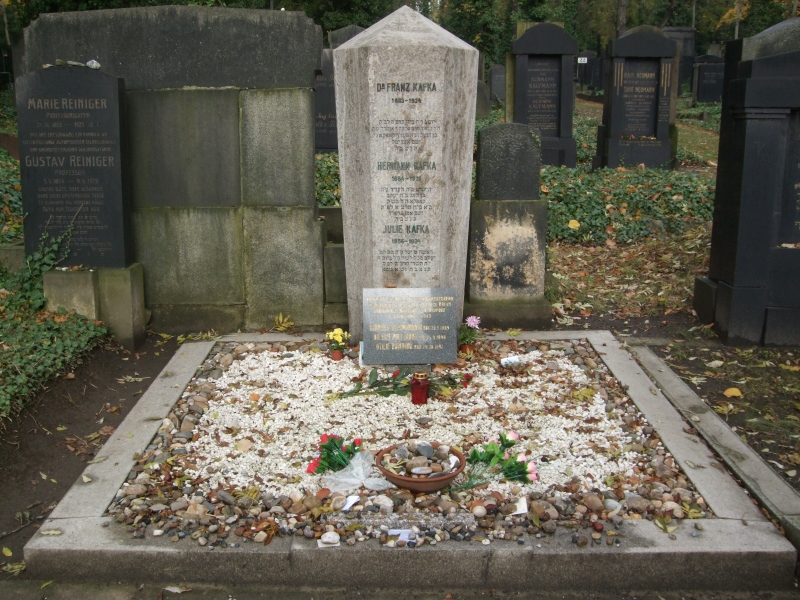
franz kafka
Kafka was born july 3, 1883 as a first child to a merchant. Kafka grew up jewish fluent in both German and Czech. as a child he was a good student but longed to give more time to his writing. his father was a merchant selling clothing to both men and women, Kafka describes his father as oppressing. his father never really understood his creative side and yearning to write. he claims that his father has influenced his work tremendously. his mother was a lot gentler to him and was a lot more wistful. both parents were often off on business leaving Kafka and his siblings

as an adult Kafka studied law. he first worked at an insurance company but wasn't happy with the schedule as it took away from his writing time. he then resigned and found work at a different insurance company. he never seemed to love his job, he didn't hate it or love it. his dad referred to Kafka's job as a "bread job" referring to his job being there just to put food on the table and providing money and essentials, where Kafka thought of writing to be his real work.

Kafka's style of writing isn't one that is often quoted but instead is recognized for its perspective and visual qualities.

died June 3, 1924, of sickness that caused his throat to swell leaving no way for him to eat. at the time he was living they didn't have technology with alternate ways of feeding, and because his throat was in too much pain to eat he had no nutrition supplied to him, making his cause of death to probably be starvation. he was never famous when alive, though that never bothered him, and he became famous shortly after his death.


as an adult Kafka studied law. he first worked at an insurance company but wasn't happy with the schedule as it took away from his writing time. he then resigned and found work at a different insurance company. he never seemed to love his job, he didn't hate it or love it. his dad referred to Kafka's job as a "bread job" referring to his job being there just to put food on the table and providing money and essentials, where Kafka thought of writing to be his real work.

Kafka's style of writing isn't one that is often quoted but instead is recognized for its perspective and visual qualities.

died June 3, 1924, of sickness that caused his throat to swell leaving no way for him to eat. at the time he was living they didn't have technology with alternate ways of feeding, and because his throat was in too much pain to eat he had no nutrition supplied to him, making his cause of death to probably be starvation. he was never famous when alive, though that never bothered him, and he became famous shortly after his death.
Subscribe to:
Posts (Atom)